


The 800m is widely considered the hardest event in track and field because it demands near-sprint speed held for two full laps: roughly 100 seconds of maximal effort that overloads the aerobic and anaerobic systems at the same time. Lactic acid floods the legs before the bell, and the final 200m becomes a fight against physiological shutdown.
Why the 800m hurts like nothing else
Every event on the track charges its own price. The 100m demands explosive power. The 10,000m demands patience and a giant aerobic engine. The 800m demands both at once, and that is the problem.
The race sits at the exact crossover point of the body's energy systems. Sprints run almost entirely on anaerobic power. Distance races settle into aerobic rhythm. The 800m offers neither option: runners hold near-sprint pace long past the point where the anaerobic system can pay for it, while the aerobic system cannot cover the difference. Energy burns at an extraordinary rate, lactic acid starts accumulating around the 400m mark, and the last 200 meters turn into a negotiation with your own legs that you are losing.
No room for error
Beyond the physiology, the 800m is a tactical minefield. Go out too fast and the second lap is pure survival. Go out too slow and there is not enough track left to fix it. Get boxed in on the rail at the wrong moment and the race ends before it truly starts. In longer races a mistake costs seconds. In the 800m it costs everything. Athletes make split-second positioning decisions while running at the edge of collapse, which is exactly why championship 800m finals produce more chaos, more falls, and more heartbreak than almost any other event on the track.
One hundred seconds of sustained suffering
All races demand focus. The 800m demands something closer to defiance. The burn starts barely a quarter of the way in and intensifies with every step, and unlike a marathon there is no rhythm to settle into, no aid station, no moment where the pace relents. Athletes describe holding form through the final straight while every system in the body is begging to stop. Two laps looks simple from the stands. That deceptive simplicity is the trap.
What about the other "hardest event" candidates?
The 400m hurdles asks for sprint speed with ten barriers in the way. The 3000m steeplechase drops water pits into a distance race. The decathlon spreads punishment across ten events and two days. The mile carries a hundred years of mythology. Every one of them has a case.
What separates the 800m is concentration. Other events test one capacity at its limit, or spread the suffering out over time. The 800m compresses speed, endurance, tactics, and pain tolerance into less than two minutes with no recovery window anywhere in it. It is not the longest suffering in track and field. It is the densest.
The greatest 800m ever run
London, 2012. David Rudisha led the Olympic final from the gun with no pacemaker and never let anyone close: 1:40.91, a world record in a championship final, still widely called the greatest single performance in Olympic track history. Behind him nearly the entire field ran personal bests just trying to hang on. That race is the event's thesis statement: total commitment from the first step, daring your body to fail.
Rudisha, Wilson Kipketer, and Sebastian Coe built the event's mythology, and the current generation keeps pushing the record book closer to the edge of what physiology allows.
How 800m runners train
Training for the event reflects its split personality. A serious 800m runner needs the raw speed of a 400m sprinter and the aerobic base of a miler, which means sprint mechanics, interval sessions that flirt with race pace, strength work, and 40 to 60 miles per week underneath all of it. Specialists in other events get to pick a lane. 800m runners have to build everything, which is why coaches quietly regard them as the most complete athletes on the track.
Why runners love it anyway
For all the suffering, the 800m might be the purest test on the track. It rewards the rare athlete willing to hurt from the gun and keep making good decisions while everything falls apart. Runners describe it as a race against themselves as much as the field, and the ones who choose it tend to wear that choice as identity. Nobody ends up in the 800m by accident.
The verdict
Is the 800m the hardest event in track and field? It fuses speed, endurance, tactics, and pain tolerance into a race that is over in under two minutes and forgives nothing. Sprinters who move up get found out. Milers who move down get found out. The event keeps only the athletes who can do everything at once and suffer the whole way through. That is as strong a definition of "hardest" as the sport has.
For the runners who get it
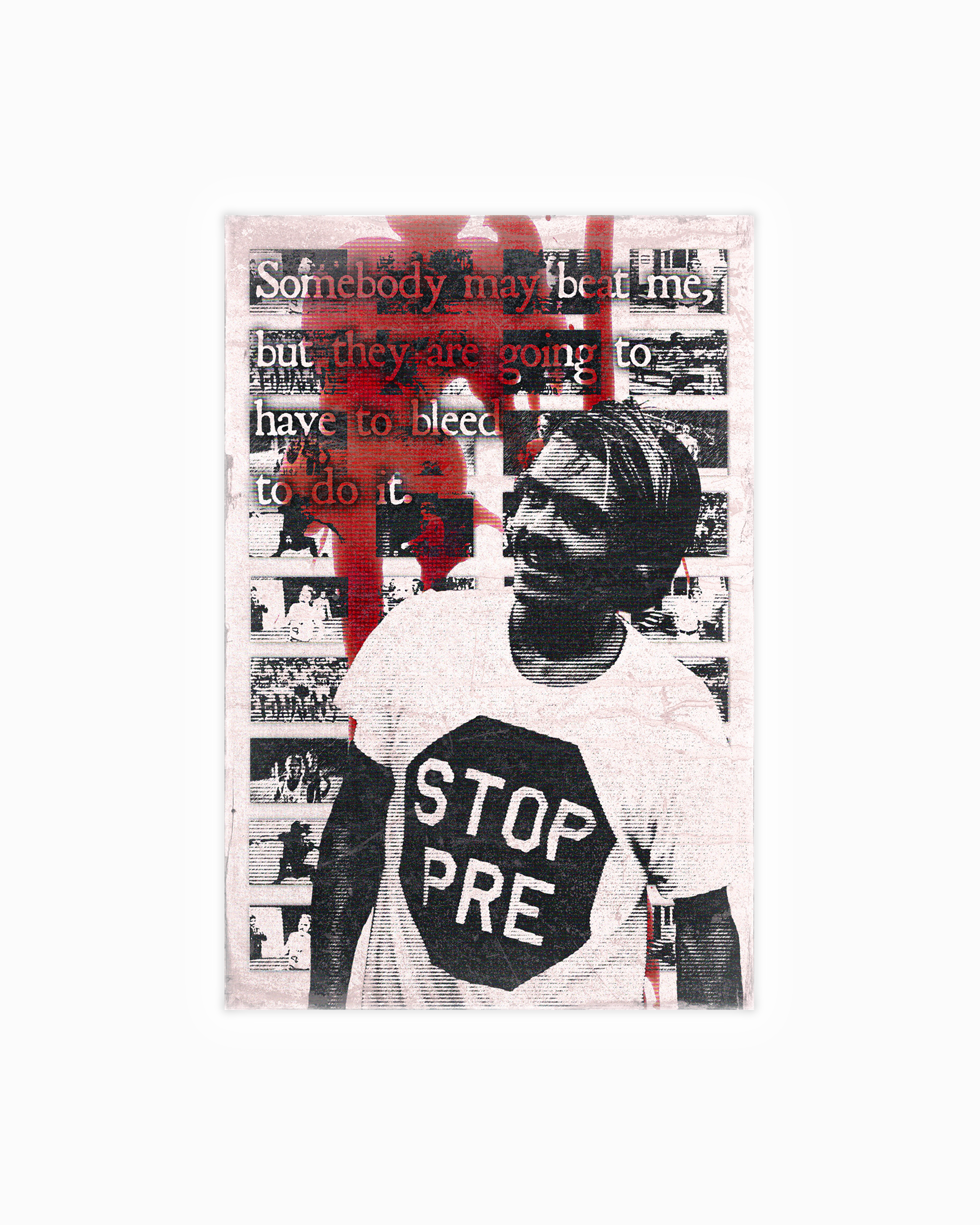
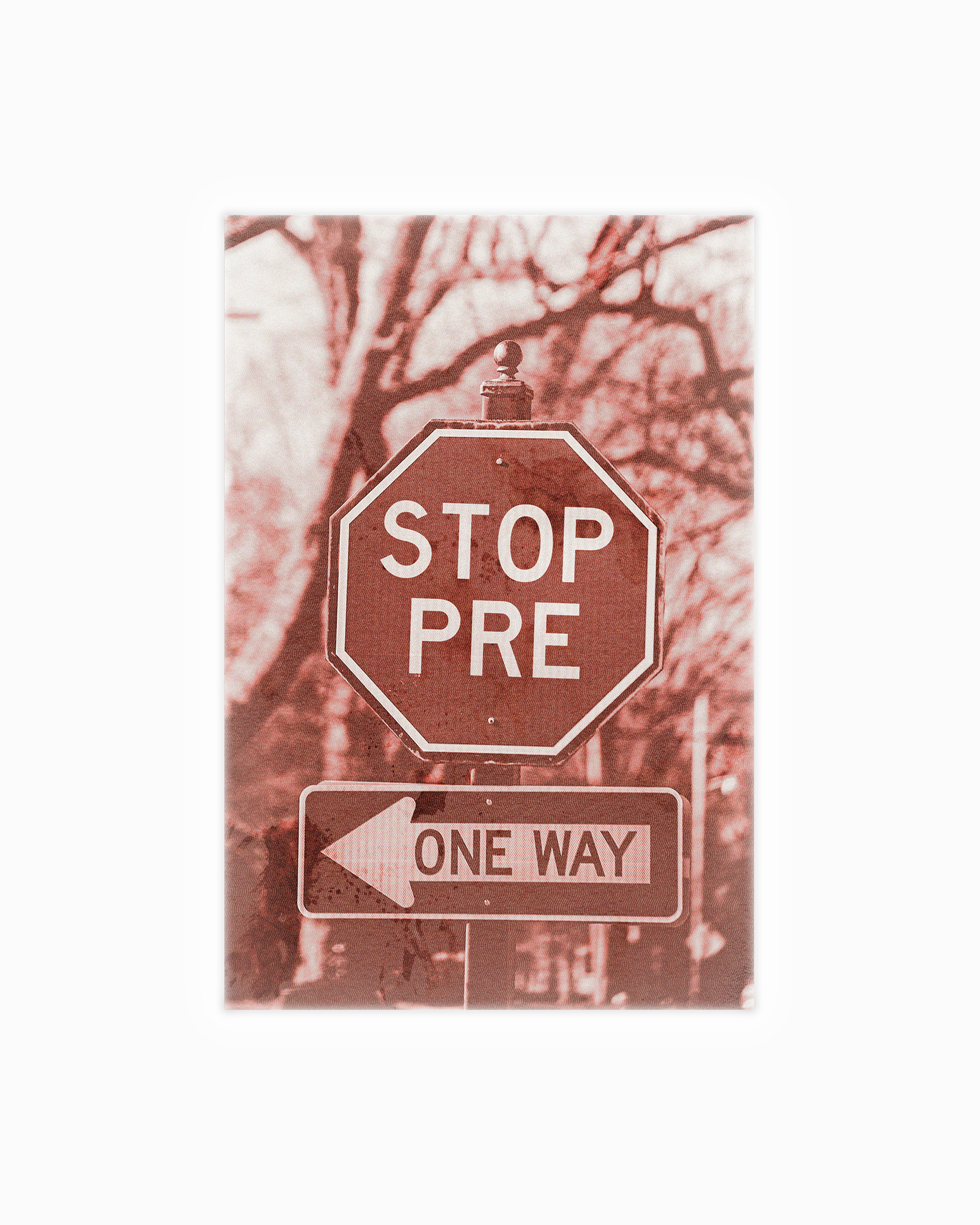
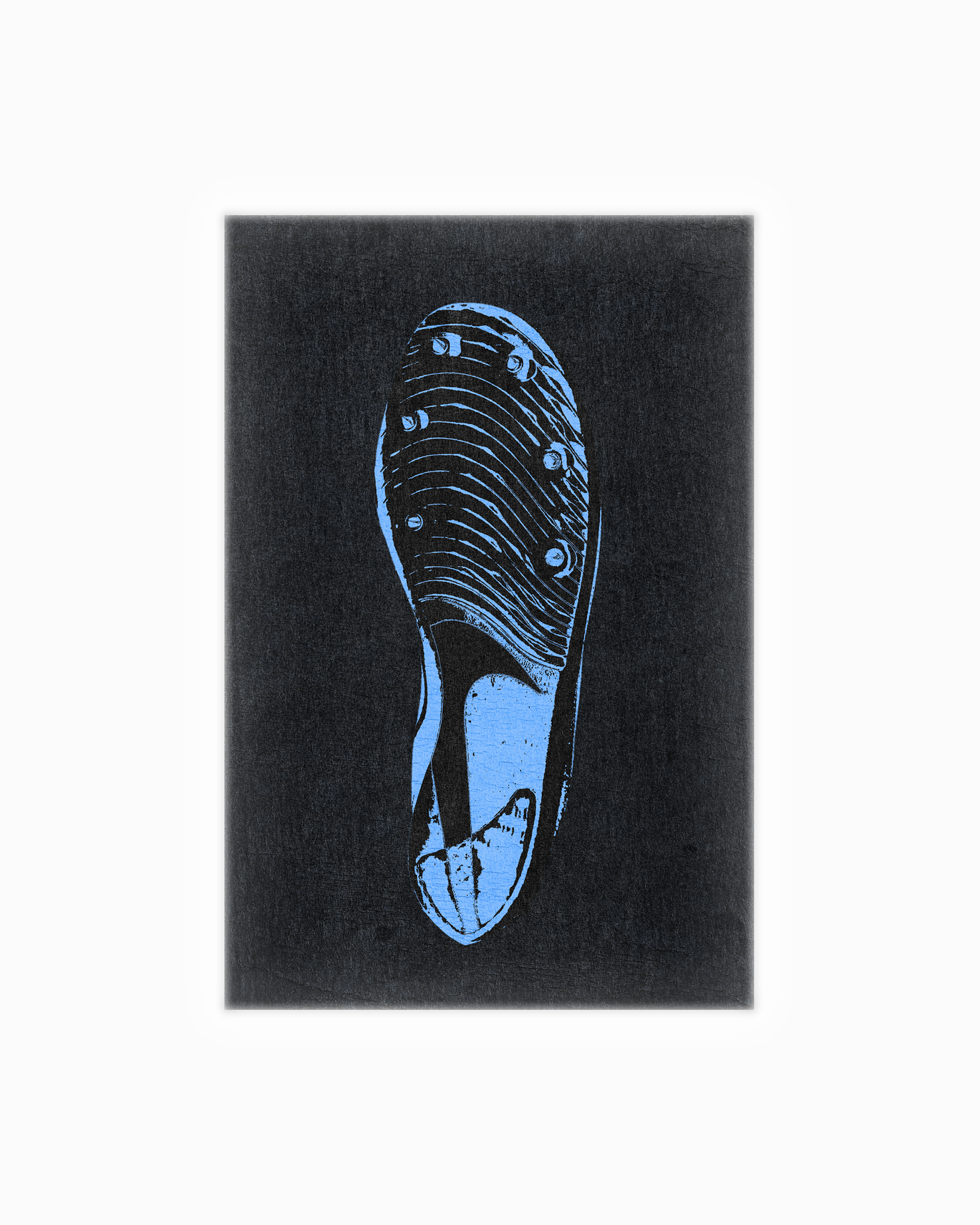
Track culture is the reason Run Culture exists. If the 800m is your event, or your favorite kind of suffering to watch, our running posters were made for your walls: Dragonfly for the spikes that changed middle distance, Olympic Trials for the meet where four years come down to one race, and Stop Pre for the defiance the sport runs on. Hang something that means something.